Tuesday, March 26, 2013
Warialda
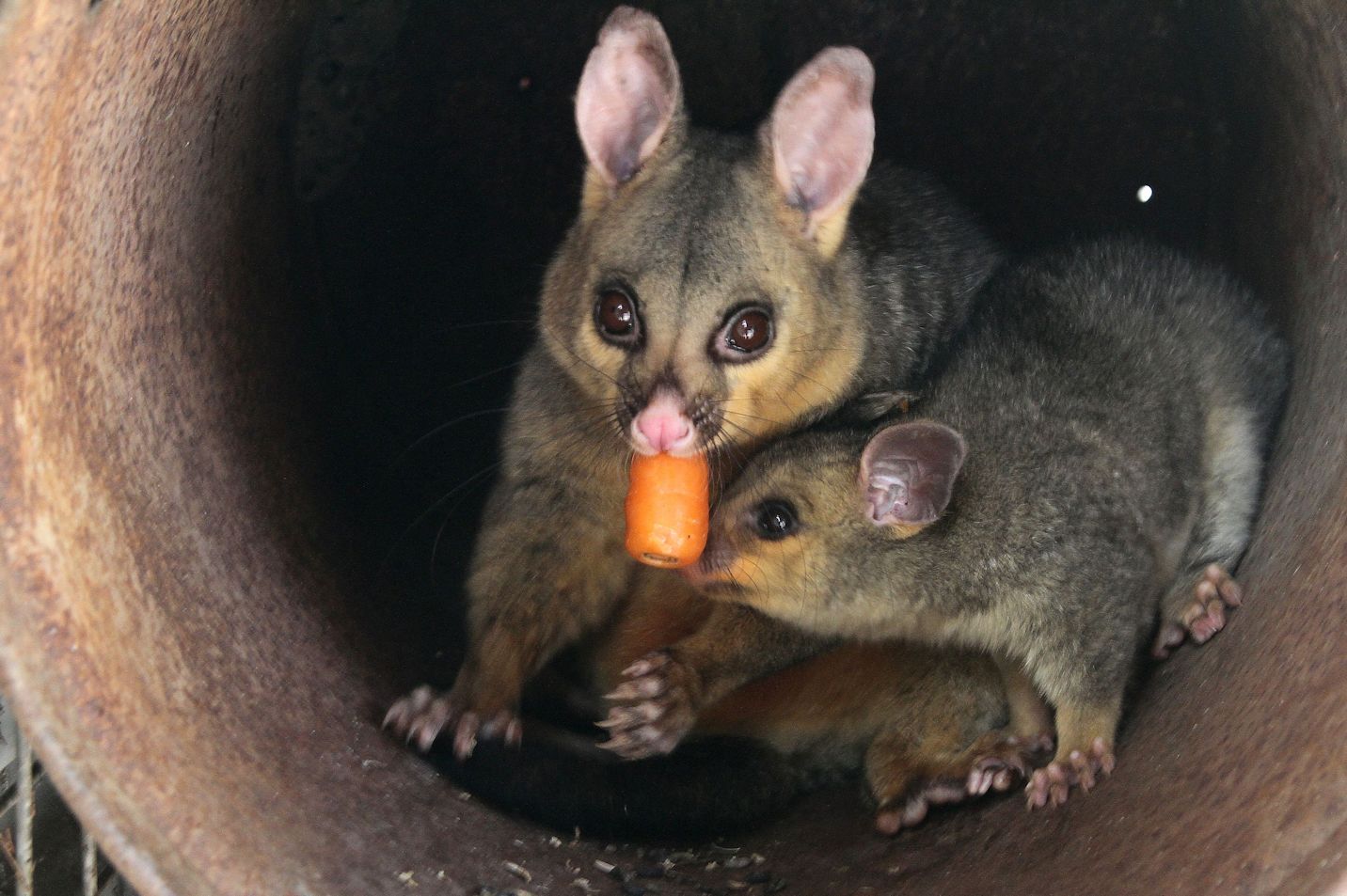
It is with reluctance that I blog about this place - I'd like it to remain a secret! Cranky Rock Nature Reserve is about 8k east of Warialda, and it has everything: giant boulders tumbled into fantastic balancing acts by ancient volcanic action; interesting flora including the wonderful Tumbledown Gum (Angophora leiocarpa) which is the source of the dark, richly flavoured honey the area is famous for; regular sightings of the Dulgar or Hairy Man of Aboriginal legend, also known as the Yowie; a deep clear swimming hole; kilometres of interesting walks; a lively legend that involves Cranky Chinamen and murdered widows, its contradiction by history not lessening its popular appeal; well mapped and signposted birding routes; kangaroos and possums up close; and an abundance of birds. On top of all this it allows leashed dogs in the camping area and on the trails.
Originally only going to stay a day or two, we ended up staying for four days, with at most one or two other campers. While many birds were seen from my tent, including Little Friarbirds, the drive along Mosquito Creek Road to Pallamallawa produced some highlights including Pale-headed Rosellas, Budgerigars, Banded Lapwing and White-winged Fairywrens.
Bingara
I stopped at the Ponds Camp about 30k south of Bingara, where the trees were full of Musk, Little, and Rainbow Lorikeet. There were a number of juvenile birds, including some young Black-faced Cuckoo-Shrike.
Monday, March 25, 2013
Barraba
![]() |
| Dusky Woodswallow |
![]() |
| Leaden Flycatcher |
![]() |
| Jacky Winter |
However keep in mind that the birds don't read the brochures. My first stop was not mentioned in any of the guides and trip reports and yet gave close-up views of Spotted Pardalotes, Willie Wagtails, Brown-headed Honeyeaters, Dusky Woodswallows, Jacky Winter, Yellow-rumped Thornbill, Leaden Flycatchers, and White-plumed Honeyeaters. The spot was Adam's Lookout.
I headed west on the Trevallyn Road to Plumthorpe TSR, where the water was flowing strongly in the Manilla River, with signs that levels had recently been very high. The White Box trees were just starting to flower, with Brown-headed Honeyeaters and Striped Honeyeaters gleaning among the leaves. Dollarbirds returned to perches high in a dead tree, an Eastern Yellow Robin flew in close, King and Red-winged Parrots flew overhead, and Striated Pardalotes kept to the tops of the trees.
At Little Creek TSR Noisy Miners called an alarm, and a White-throated Gerygone flitted in the creek-side shrubs. The grass here was also close to waist height which made walking fairly unpleasant, and combined with the vandalised picnic facilities didn't encourage me to linger.
![]() |
| Brown-headed Honeyeater |
Sunday, March 24, 2013
Manilla
![]() |
| Borah Creek |
In the town of Manilla there is a very pleasant walk along the river, around 3k return, starting at the Manilla Street bridge and running past the junction of the Manilla and Namoi Rivers to the showground. Not a lot of birds when I was there, but I imagine it would be a good spot for honeyeaters a little later in the season. Behind Chaffey Park off Strafford Street ducks and coots paddled near the weir, and Straw-necked Ibis wandered the playing fields.
Split-rock Dam, north of Manilla on the Barraba Road, had Australian Coots and Little Pied Cormorants, Apostlebirds, White-plumed Honeyeaters, Willy Wagtails and Pied Butcherbirds, including a youngster who was very interested in my lunch.
On the road to Barraba, about 25k north of Manilla is a well signposted turnoff to the Tarpoly and Borah Creek Travelling Stock Reserves. Driving through Tarpoly there were Brown Tree-creepers, Apostlebirds, White-winged Choughs, Sacred Kingfishers, Rufous Songlarks, and Peaceful Doves.
The track down to the creek was overgrown, it had been a while since there was any traffic along it, and the creek side which had been neatly slashed on my last visit was waist high grass. We disturbed two snakes soaking up the sun. Lots of Brown-treecreepers here, and large numbers of White-plumed Honeyeaters, Little Lorikeets and Musk Lorikeets high in the trees, Bee-eaters foraging over the creek and a Black-fronted Dotterel on the rocks.
Back in Manilla, taking the Boggabri road then turning into Corella Road I parked the car at the gate to Borah Crossing TSR and walked down to the water with Dusty, at the northern end of Lake Keepit. It was a day for parrots with Little Corellas, Galahs, Sulphur-crested Cockatoos perched in the trees, and then a wonderful sight of a flock of Cockatiel.
Back towards Manilla I pulled into the Spring Creek TSR. An impressive sign welcomed a list of people including walkers, picnickers and bird watchers, but the gate was firmly padlocked and there was no pedestrian access.
Manilla Road
![]() |
| Little Corellas, Sulphur-crested Cockatoos and Galahs |
![]() |
| Zebra and Plum-headed Finch |
![]() |
| Australian Pipit |
![]() |
| Spotted Harrier |
![]() |
| Red-rumped Parrot |
![]() |
| Black-winged Kite |
Friday, March 22, 2013
Lake Keepit
Twelve months ago Keepit Dam was at near capacity, with official figures reporting it at 98%. However, irrigation demand driven by the record summer temperatures had reduced this to around 35% by the time of our visit.
There were good number of birds to be viewed from my camp chair, and it was a perfect base from which to explore the bird routes of Manilla, Barraba and Bingara.
![]() |
| Waterbirds |
![]() |
| Black-shouldered Kite |
![]() |
| Little Corellas |
![]() |
| Sulphur-crested Cockatoo |
![]() |
| Apostlebirds |
![]() |
| Camp site |
Quipolly Dams
![]() |
| Hunter River, Scone |
Before Tamworth I turned off towards Quirindi, and south of Werris Creek turned off following the sign to Quipolly Dams. There was a rather impressive bird hide looking out over good numbers of Maned Duck, Pacific Black Duck and Chestnut Teal, but it was hot and still so I didn't stay long.
Subscribe to:
Posts (Atom)


